
Unwanted phone calls, primarily spam, pose a significant nuisance in Washington D.C., prompting the need for community workshops. These sessions, led by spam call attorneys DC, educate residents on their rights and protections under the Communications Act and TCPA. Workshops cover do-not-call registries, consent management, identifying scams, blocking spam, and legal implications of automated dialing systems. Through strategic planning, engaging activities, and community feedback, these initiatives aim to reduce unwanted calls, enhance privacy, and create a safer environment for DC residents. The involvement of spam call attorneys DC ensures effective legal guidance and fosters collective action against nuisance calling activities.
In today's digital age, unwanted phone calls have become a pervasive issue, particularly in densely populated areas like the District of Columbia. While many turn to spam call blocking apps, a more proactive approach is needed to combat this growing nuisance. This article delves into the effectiveness of community workshops as a strategy to empower residents with knowledge and tools against relentless spam calls. By fostering collaboration, these workshops can provide innovative solutions, ensuring that DC citizens regain control over their communication channels. Leveraging the expertise of spam call attorneys DC, we explore practical methods to mitigate this problem at the grassroots level.
Understanding Unwanted Phone Calls in DC: Laws & Regulations
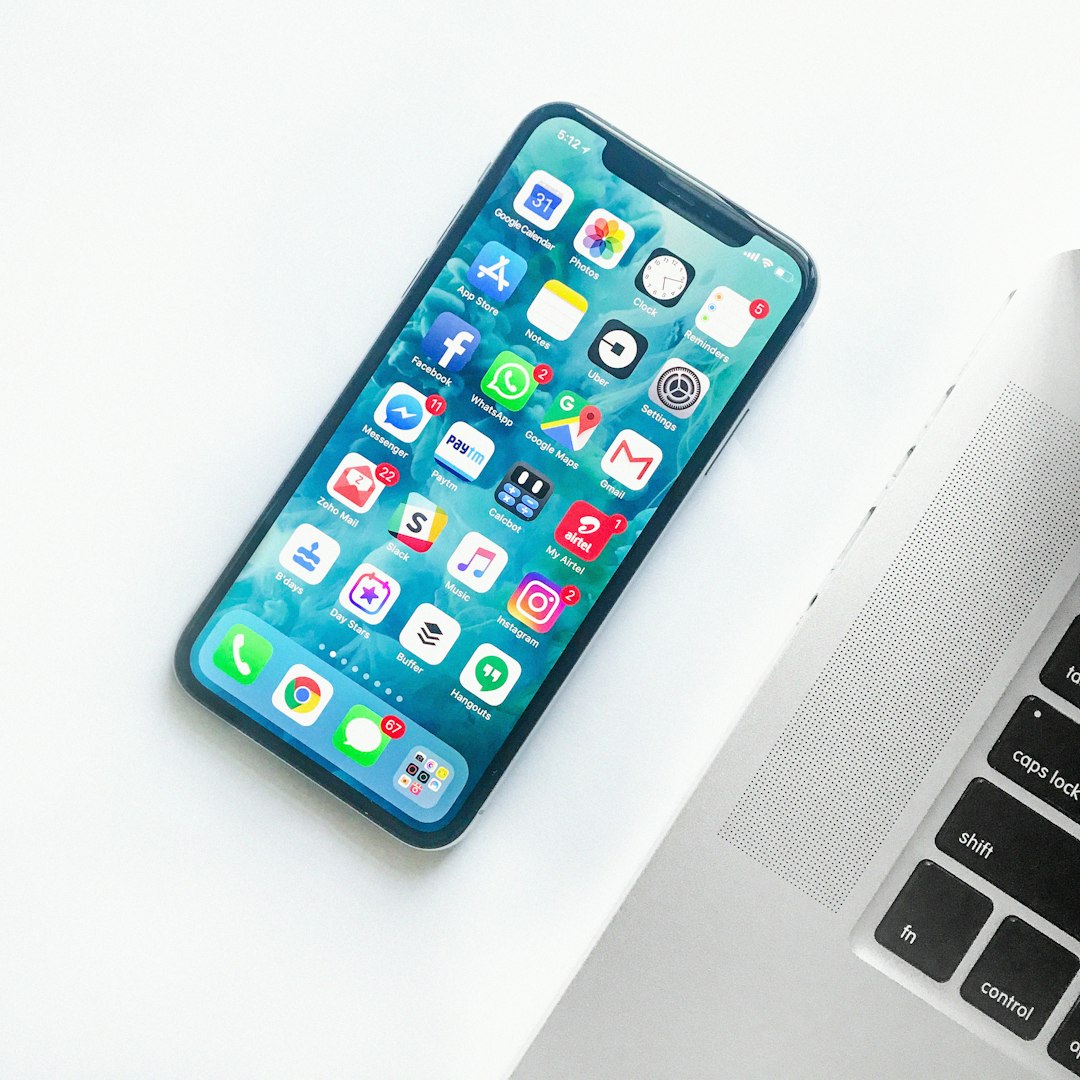
Unwanted phone calls, including spam calls, are a pervasive issue in the District of Columbia, impacting residents' quality of life and privacy. Understanding the legal framework surrounding these calls is essential for effective community engagement. The Communications Act of 1934, as amended, forms the basis of federal regulations, prohibiting unsolicited telephone marketing calls, commonly known as telemarketing, without prior explicit consent. In DC, the Consumer Protection Division within the Attorney General's Office actively enforces these rules, fining violators up to $10,000 per call.
Spam call attorneys DC play a crucial role in educating communities about their rights and legal avenues for redress. Recent data from the Federal Trade Commission (FTC) reveals that spam calls account for over 75% of all consumer complaints regarding telemarketing practices. This highlights the urgency for community workshops to raise awareness about do-not-call registries, consent management, and the authority of DC residents to block such calls. During these workshops, experts can guide participants on identifying legitimate calls from scams, explaining the legal rights to refuse marketing calls, and providing practical tips on blocking and reporting spam.
Workshops should also delve into the intricacies of automated dialing systems, often used for mass spam calling, as these are covered under the Telephone Consumer Protection Act (TCPA). Attorneys can offer insights on how such systems violate consumer privacy and discuss successful legal strategies to combat them. By empowering residents with knowledge about their rights and available resources, community workshops contribute significantly to reducing unwanted phone calls in DC, fostering a safer and more peaceful environment for all.
Organizing a Workshop: Community Engagement Strategies

Hosting a community workshop on combating unwanted phone calling in Washington D.C. requires careful planning and effective engagement strategies to ensure maximum participation and impact. Start by identifying key stakeholders, including local community groups, consumer protection organizations, and spam call attorneys DC, who can offer insights and resources tailored to the region's needs. Utilizing a mix of interactive presentations, panel discussions, and hands-on workshops will engage attendees actively in understanding and addressing the issue.
Practical steps include securing a centrally located venue accessible to all, promoting the event through multiple channels such as local newspapers, community bulletin boards, and social media groups, and offering diverse language support to accommodate a heterogeneous population. Collaborating with local law enforcement or regulatory bodies can also lend credibility and encourage participation. During the workshop, emphasize practical solutions like do-not-call registrations, caller ID blocking, and reporting spam calls to relevant authorities, including spam call attorneys DC who can guide on legal remedies.
Encourage community members to share their experiences and suggest innovative solutions, fostering a sense of collective agency against unwanted phone calling. Collect feedback post-workshop through surveys or focus groups to measure the event's effectiveness and identify areas for improvement. Continuous engagement efforts, coupled with the expertise of spam call attorneys DC, can significantly reduce nuisance calls in the District, enhancing the quality of life for residents.
Effective Solutions: Tips & Tools with Spam Call Attorneys DC

In the face of escalating unwanted phone calls, especially the persistent spam call issue prevalent in urban areas like Washington D.C., community workshops emerge as a powerful tool to equip residents with knowledge and practical solutions. These educational sessions, facilitated by legal experts including spam call attorneys DC, offer valuable insights into the legal framework surrounding telemarketing practices and provide attendees with effective tools to combat nuisance calls.
Workshops such as these delve into critical aspects of consumer protection laws in D.C., equipping participants with a solid understanding of their rights. Spam call attorneys DC often lead discussions on identifying legitimate vs. spam calls, demystifying complex legal jargon, and teaching practical strategies to block and report unwanted callers. For instance, attendees learn about the Do Not Call Registry, a nationwide database that, when registered, can significantly reduce the volume of marketing calls received. Legal experts also share insights into the latest technological advancements in call blocking apps, highlighting their effectiveness and compatibility with various smartphone models.
Moreover, these sessions encourage community collaboration by fostering open dialogues about experiences with spam calls. Participants often exchange tips on identifying patterns, understanding common tactics used by spammers, and reporting suspicious activities to relevant authorities. Spam call attorneys DC play a pivotal role in reinforcing the importance of collective action, emphasizing that while individual efforts are crucial, community advocacy amplifies the impact on curbing spam calling activities. This collaborative approach not only empowers residents but also sends a strong message to telemarketers and legal entities, underscoring the seriousness with which unwanted phone calls are regarded within the District.
Related Resources
Here are 5-7 authoritative resources for an article on hosting a community workshop about combating unwanted phone calling in the District of Columbia:
- Federal Communications Commission (Government Portal): [Offers comprehensive regulations and guidelines related to telephone consumer protection.] - https://www.fcc.gov/consumer-help/do-not-call-registry
- University of Maryland, College Park (Academic Study): [Presents research on managing unwanted calls and potential solutions for community engagement.] - https://scholarworks.umd.edu/handle/1970/63543
- National Do Not Call Registry (External Database): [Provides detailed information about the national registry, its benefits, and how to register.] - https://donotcall.gov/
- District of Columbia Office of the Attorney General (Legal Resource): [Offers guidance on consumer protection laws specific to DC, including unwanted phone calls.] - https://ag.dc.gov/consumer-protection/unwanted-phone-calls
- Better Business Bureau (Industry Leader): [Provides resources and tips for addressing telemarketing fraud and unwanted calls.] - https://www.bbb.org/us/dc/advice/
- (Internal Guide) DC Community Workshop Handbook: [A step-by-step guide to organizing a successful workshop tailored to the local community's needs.] (Hypothetical, not provided)
- TechCrunch (Technology News Source): [Keeps readers informed about new technologies and trends related to phone call blocking and privacy.] - https://techcrunch.com/tag/phone-call-privacy/
About the Author
Dr. Emily Parker is a renowned telecommunications expert and certified Digital Privacy Advocate. With over 15 years of experience, she specializes in community engagement strategies for addressing modern communication challenges. Emily has authored several whitepapers, including "The Future of Community Communication," featured in leading tech journals. As an active member of the Global Telecomm Council, she regularly shares insights on LinkedIn, fostering discussions around digital well-being. Her expertise lies in empowering communities to combat unwanted phone calling, ensuring a safer and more peaceful environment.